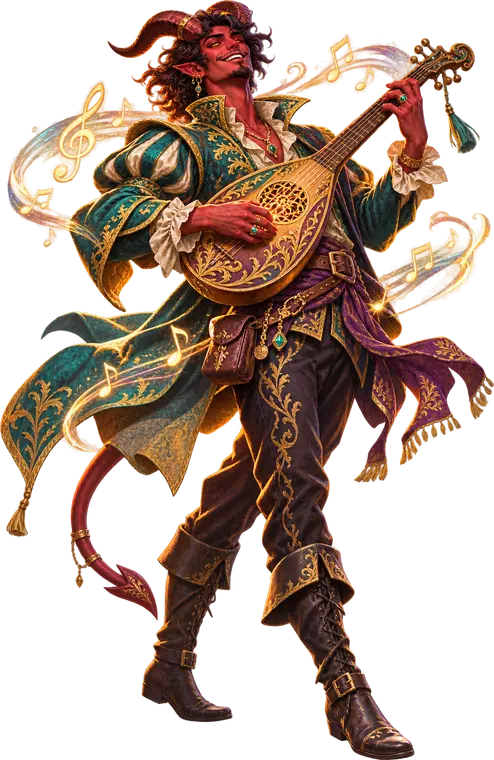
One-shot
An adventure that starts and ends that night.
Test version: the venues and Dungeon Masters are examples and nothing is charged yet.
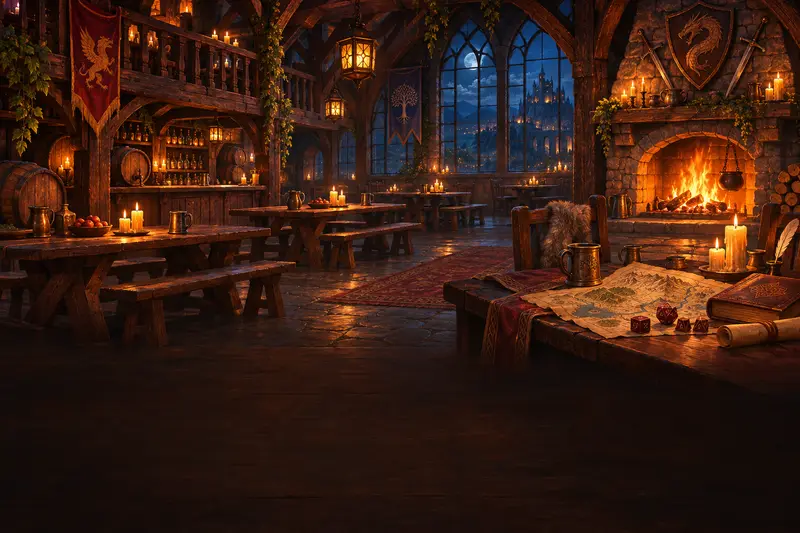
We organize Dungeons & Dragons events in restaurants in Cuernavaca, with tables for people who have never played and for experienced players, with no group to coordinate.
You sign up for an event, you play, and the session counts toward your character.
From account to table.
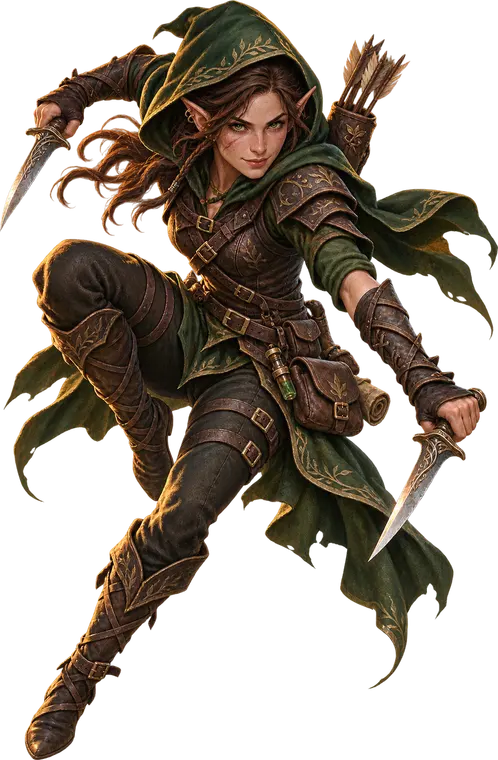
Pick the event and hold your seat with Book. You see the price there.
We recommend D&D Beyond. A paper character sheet works too (optional).
Before the event you choose which character you bring. When the event ends, that character earns the session.
To arrive with an edge.
The first night, step by stepAll twelve classes, explainedD&D Beyond
Earn money running tables.
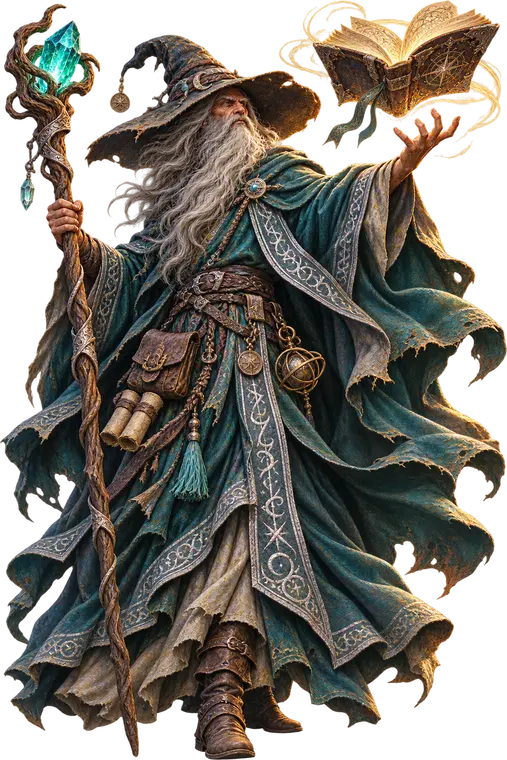
Apply by writing to us; soon you will be able to do it from your account.
Tell us the style you like to run and which rules you know. We introduce you to venues and list your events on the schedule.
The evaluation game is for new DMs. We ask that you know the 5.5e rules and run a short game with the team, at one of the restaurants, where we see how you treat the table and handle the rules. We do not ask for years of experience. An approved DM is not evaluated again for every table.
Before each session you see who signed up and with which character.
Let us know at least 48 hours ahead. The team looks for a substitute DM or reschedules the table, so nobody shows up at a restaurant with no game.
You are paid per table you run. The amount is agreed when you are approved and you see it in your dashboard.
Open rules and background reading.
D&D BeyondWhat the DM does during the gameThe twelve classes
It is a role-playing game. There is no board and nobody competes against anybody: you play at a table, with dice and a sheet with what your character can do.
A Dungeon Master describes the world and each player decides what their character does. If something can go wrong, you roll a die.
A door ajar, a voice on the other side.
I open the door, I ask who it is, I draw my sword.
You add a number from your sheet and the DM says what happens.
An adventure that starts and ends that night.
Several sessions in the same world, with the same group.
The point is to come with your character. Create it on D&D Beyond or on a sheet of paper. Every new character starts at level 1 and levels up by playing at DND México tables, following the progression table.
If you do not bring it or you lost it, the DM has a couple of spares.
Tables are grouped by level range. Your character plays at the table of their range and levels up with the sessions they collect.
A session counts when the event ends, 3 hours after it starts. Level 20 is the maximum.
Your character has to be within the level range of the table you book. If it is level 6, book a level 5 to 8 table.
| Table range | Sessions to gain a level |
|---|---|
| Levels 1 to 4 | One session |
| Levels 5 to 8 | 2 sessions |
| Levels 9 to 12 | 3 sessions |
| Levels 13 to 16 | 4 sessions |
| Levels 17 to 20 | 5 sessions |
A class is your character’s trade. Hover or tap a card.
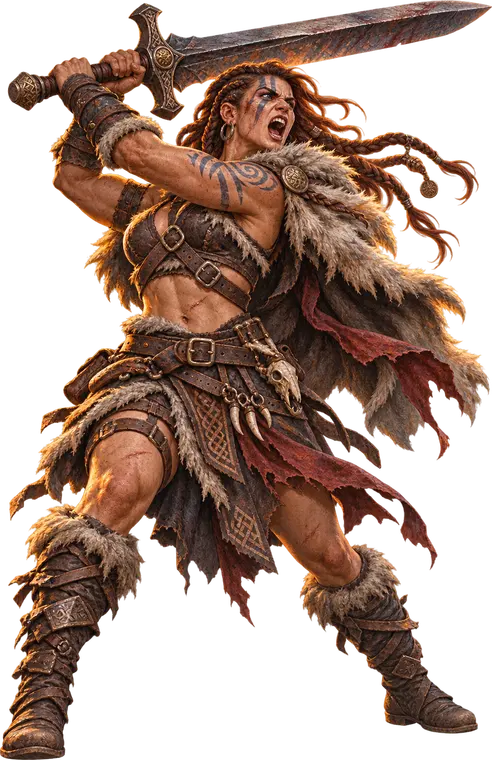
Rages, endures and hits harder.
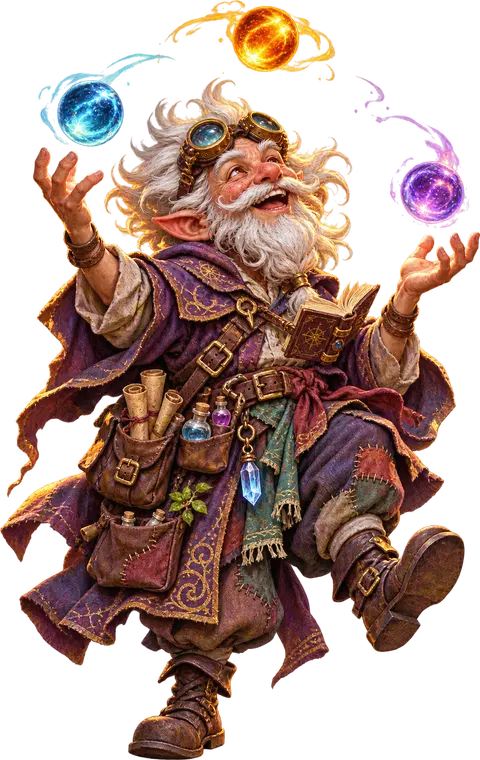
Music, words and spells that lift the group.
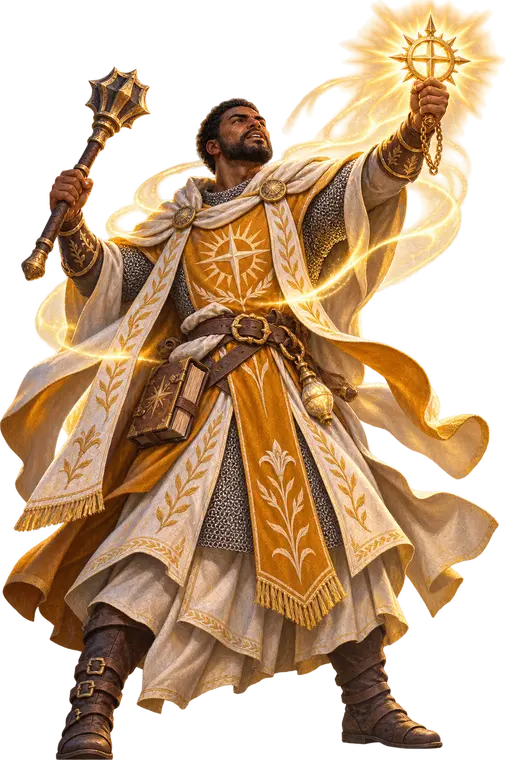
Heals, protects and holds their own.
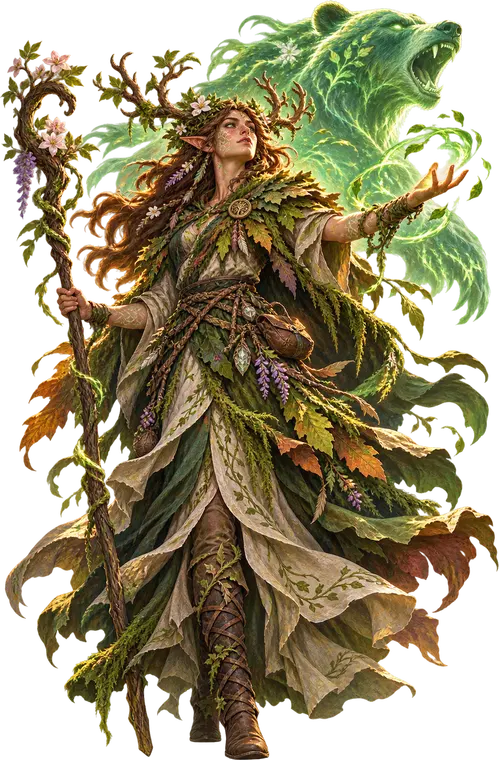
Nature spells and animal shapes.
Weapons, armor and the front of the line.
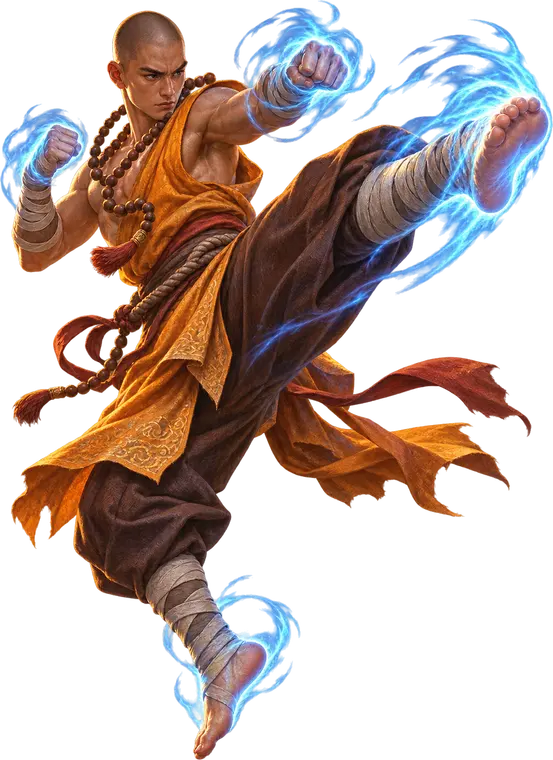
Fast strikes from a trained body.
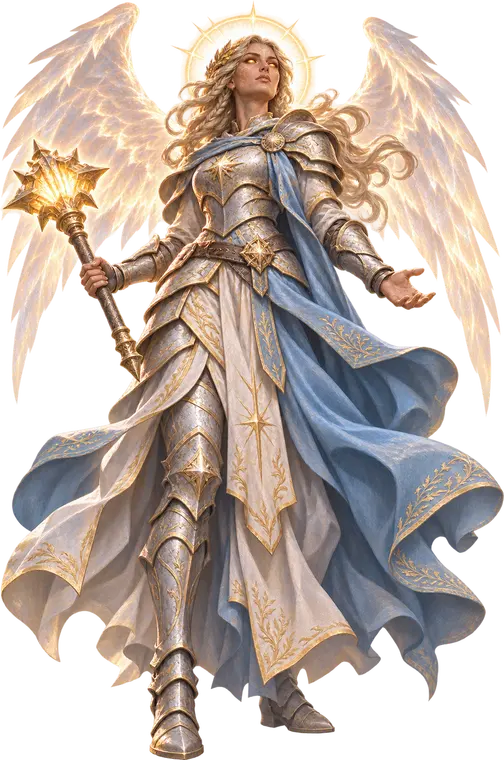
Heavy armor, an oath and holy smites.
Tracks, hunts and moves well in the wild.
Stealth, locks and a precise strike.
Magic from birth, no books or study.
Power lent by a mysterious patron.
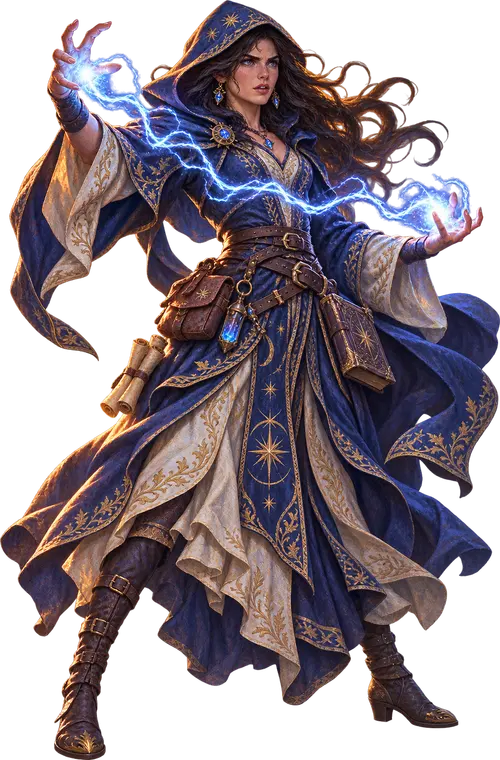
Plenty of spells and little health.
A species is your character’s origin and gives them their own traits. Hover or tap a card.
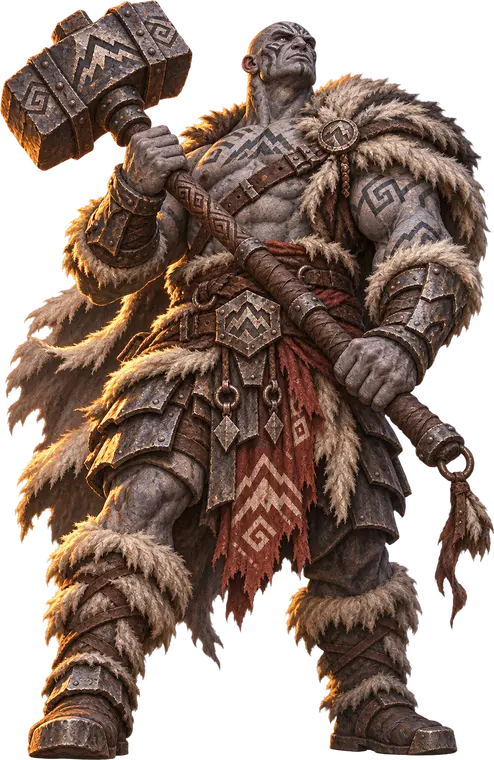
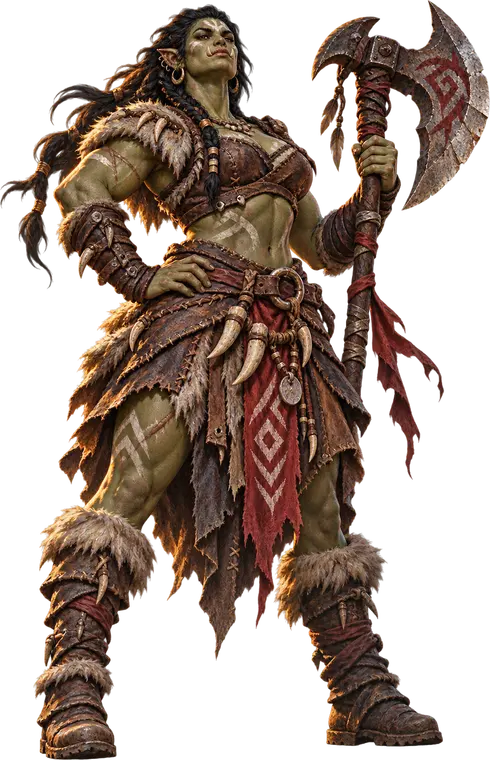
The 2024 Player’s Handbook says “species” where it used to say “races”. Aasimar, goliath and orc join the revised core book, although they already existed in earlier books.
Celestial touch: light, healing and resistance.
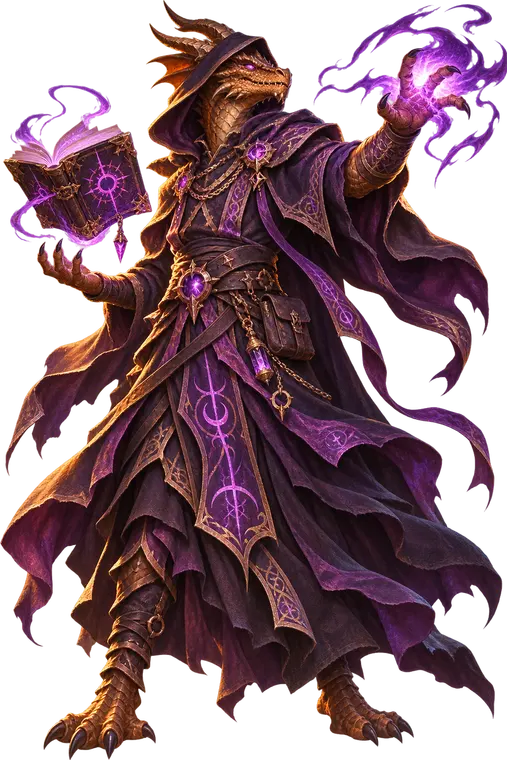
Dragon blood and a breath of their own element.
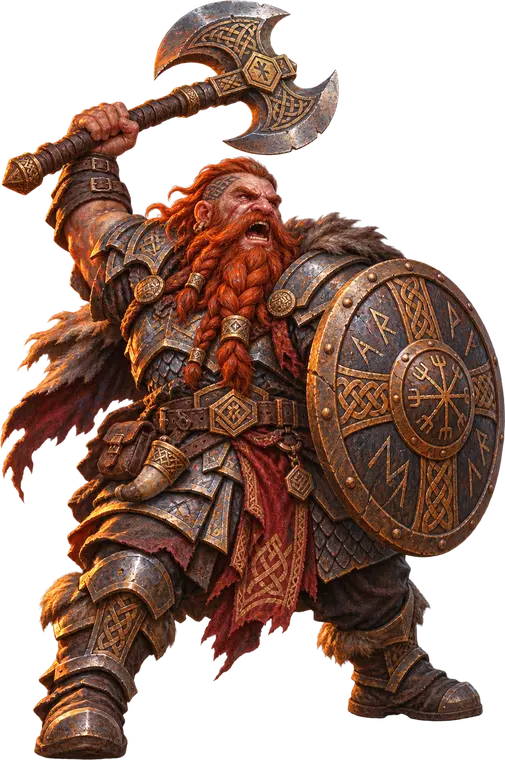
Sturdy, steady and an eye for stone.
Keen senses, magical lineage and trance instead of sleep.
Small, curious and hard to fool with magic.
Giant heritage and strength on a large scale.
Brave, nimble and lucky to spare.
Versatile: a bit of everything and an origin feat.
Stays on their feet and opens with a charge.
Abyssal, chthonic or infernal legacy, with innate magic.
They apply to players and DMs.
Nobody mocks anyone for not knowing the rules, for how they play or for who they are.
Sexual comments, pushing after a no or touching someone without permission: the person leaves the table, no refund.
Before starting, the DM asks which topics nobody wants to see. If something bothers you, tap the X card and the scene changes, no explanation needed.
They may ask for ID. Tables for minors are announced separately.
5 people per table, plus the DM.
Up to 15 minutes late, no penalty.
On the same day you paid, if the event is at least one hour away.
If you have to answer, step away from the table for a moment.